
A recent study challenges the long-held belief that omega-3 supplements, commonly found in fish oil and flaxseed oil, protect brain health. Instead, researchers found that these popular supplements may be associated with accelerated cognitive decline and reduced brain cell efficiency.
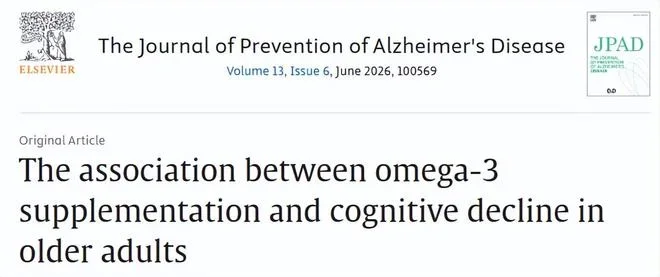
Published in *The Journal of Prevention of Alzheimer’s Disease*, the study was conducted by a Chinese research team using data from the Alzheimer’s Disease Neuroimaging Initiative (ADNI), which tracked 1,814 older adults over five years. To isolate the effects of omega-3, the team compared 273 participants who regularly took omega-3 supplements with 546 non-users matched by age, sex, and genetic risk factors, including the presence of the APOE ε4 gene linked to Alzheimer’s.
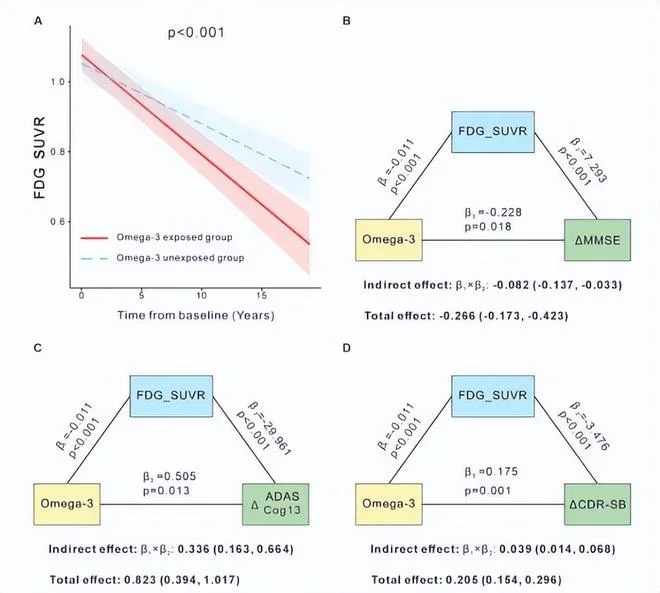
The results were surprising. Across three standardized cognitive assessments—the Mini-Mental State Examination (MMSE), the Alzheimer’s Disease Assessment Scale-Cognitive Subscale (ADAS-Cog13), and the Clinical Dementia Rating Sum of Boxes (CDR-SB)—the omega-3 group showed a faster rate of cognitive decline.
To understand why, researchers used FDG PET scans to examine brain activity. They found no typical Alzheimer’s pathology, such as amyloid plaques or tau tangles, but rather a significant reduction in glucose metabolism in specific brain regions. Glucose is the brain’s primary fuel, accounting for about 20% of the body’s total energy consumption. When brain cells cannot efficiently use glucose, their performance drops, slowing nerve signals and impairing memory and thinking.
This finding aligns with a growing body of research suggesting that cellular energy metabolism dysfunction may be a key driver of cognitive decline. Scientists have explored pathways like cellular autophagy—the process of clearing out damaged cells—as a potential target for intervention. Some natural compounds, such as urolithin A and spermidine, have shown promise in early trials for improving cognitive function by reducing neuroinflammation and clearing metabolic waste.
However, the researchers caution that the omega-3 study only shows a statistical association, not a direct causal link. Individual responses to omega-3 may vary due to genetics, gut microbiota, oxidative stress, and diet. Moreover, the quality of omega-3 supplements on the market varies widely, with some low-purity or oxidized products potentially causing harm rather than benefit.
Experts advise against blindly consuming high doses of omega-3 in hopes of cognitive protection. For those already experiencing memory issues, it is crucial to consult a doctor or nutritionist before starting any long-term supplement regimen.

In summary, while omega-3 fatty acids remain essential nutrients, the idea that more is better for brain health may be misleading. A holistic approach—including balanced nutrition, regular exercise, and medical guidance—appears more effective than relying on a single supplement.