Stereotypes about drivers of high-end cars are nothing new. Jokes about failing to use turn signals or driving aggressively have been around for years, especially online. While the brands associated with these jokes may change, the common thread remains: vehicles considered symbols of high status. Beyond humor, some studies have uncovered real patterns behind these perceptions. The idea that the type of car you drive can influence your behavior on the road has been examined by social psychologists, with eye-opening results.
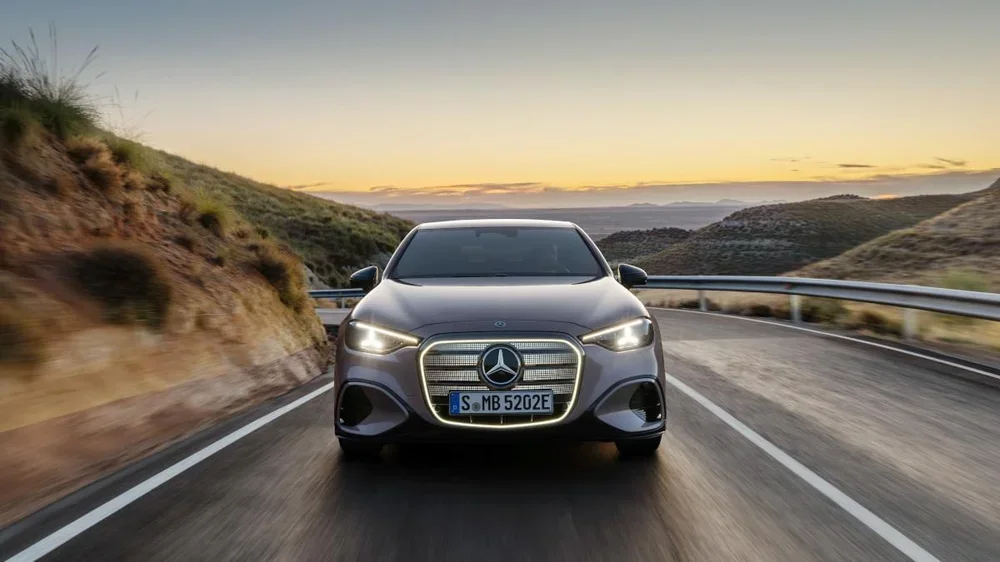
Mercedes-Benz, one of the brands frequently mentioned in these discussions, often features in such stereotypes.
The Car as a Status Symbol
A study led by Paul K. Piff at the University of California, Berkeley analyzed driver behavior in various traffic situations. The findings revealed that drivers of more expensive cars tended to commit more traffic violations than those in less luxurious vehicles. In tests conducted at intersections and pedestrian crossings, drivers of high-end vehicles were more likely to ignore basic right-of-way rules. The study also noted behavioral differences based on gender and the context of interactions with other drivers.
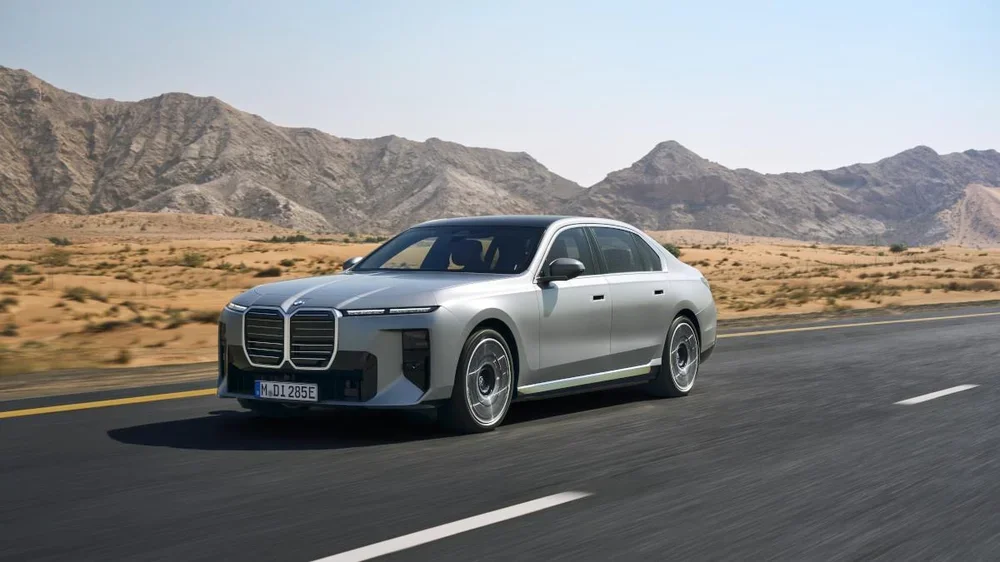
BMW 7 Series, another model often associated with luxury driving.
When Status Alters Behavior
The explanation goes beyond just wealth. According to researchers, high-status cars can create a feeling of superiority or a reduced obligation to follow social norms. This phenomenon has also been observed in other vehicles perceived as prestige symbols, such as certain hybrids or electric cars in specific urban settings.
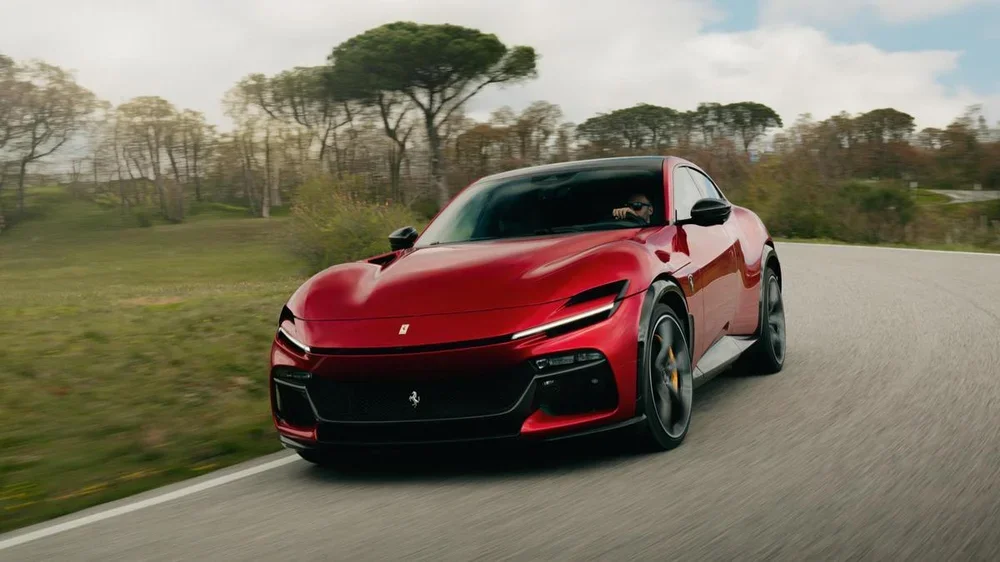
Ferrari Purosangue Handling Speciale, an example of a high-end performance vehicle.
The Exception: Convertibles
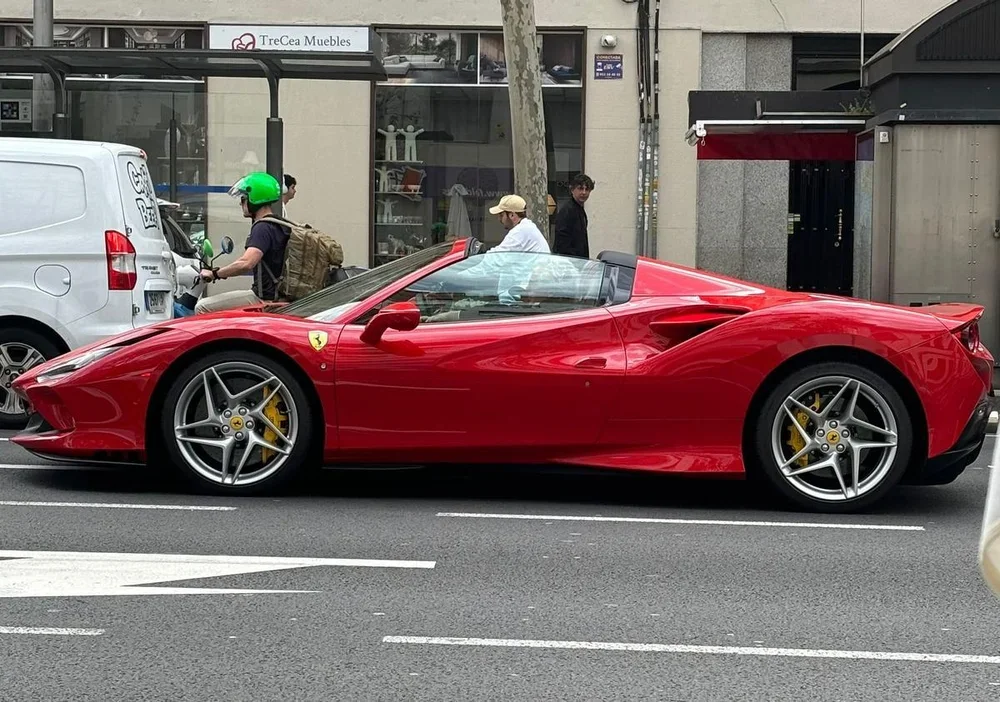
However, there’s a curious exception. When vehicles are convertibles with the top down, driver behavior changes noticeably. Drivers tend to be more cautious and less aggressive. The reason lies in the loss of anonymity. When visible to others, drivers become more aware of their surroundings and moderate their actions.
The Effect of Anonymity Behind the Wheel
Journalist Tom Vanderbilt explains this in his book Traffic. According to his analysis, a car acts like a psychological bubble that reduces the feeling of being observed. That sense of anonymity can encourage more impulsive or aggressive driving. But when that psychological shield is removed—as in a convertible with the top down—self-awareness and empathy toward other road users increase.